


Transform Your Fashion Photography with These 3 Effective Techniques
- Longview Studios
- Apr 20, 2025
- 4 min read

Updated: Jul 17, 2025
3 Powerful Ways to Instantly Improve Your Fashion Photography
Fashion photography is a thrilling blend of creativity, technical skill, and communication. Whether you're shooting street style, high fashion editorials, or personal branding portraits, the difference between a good photo and a stunning one often comes down to a few core principles.
So, if you're looking to refine your craft and elevate your images without needing to overhaul your entire kit, here are three practical and instantly applicable tips to help you start producing better fashion photos right away.
1. Use a Longer Lens — 85mm or More

Why focal length matters more than you think.
One of the easiest technical upgrades you can make in your fashion photography is switching to a longer lens. While wide-angle lenses have their place in environmental portraits or full-body storytelling shots, they can introduce distortion—especially around the edges—that isn’t always flattering for portraiture.
What a longer lens does:
Flattering compression: An 85mm lens or longer compresses the scene in a way that flatters facial features and body proportions, creating a more natural and appealing look.
Shallow depth of field: These lenses allow you to easily blur the background, making your subject pop and helping the viewer focus exactly where you want them to.
Better subject isolation: In crowded locations or urban environments, that compressed look can clean up a messy background instantly.
Recommendations:
85mm f/1.8: Sharp, fast, and affordable—perfect for beginners and pros alike.
105mm or 135mm primes: If you're looking to step it up a notch and love working at a distance.
70-200mm zoom: A workhorse lens for versatility across full-body, half-body, and tight shots.
“The right lens doesn’t just shape your composition—it influences the emotion and polish of your entire image.”
2. Take Control of Your Lighting
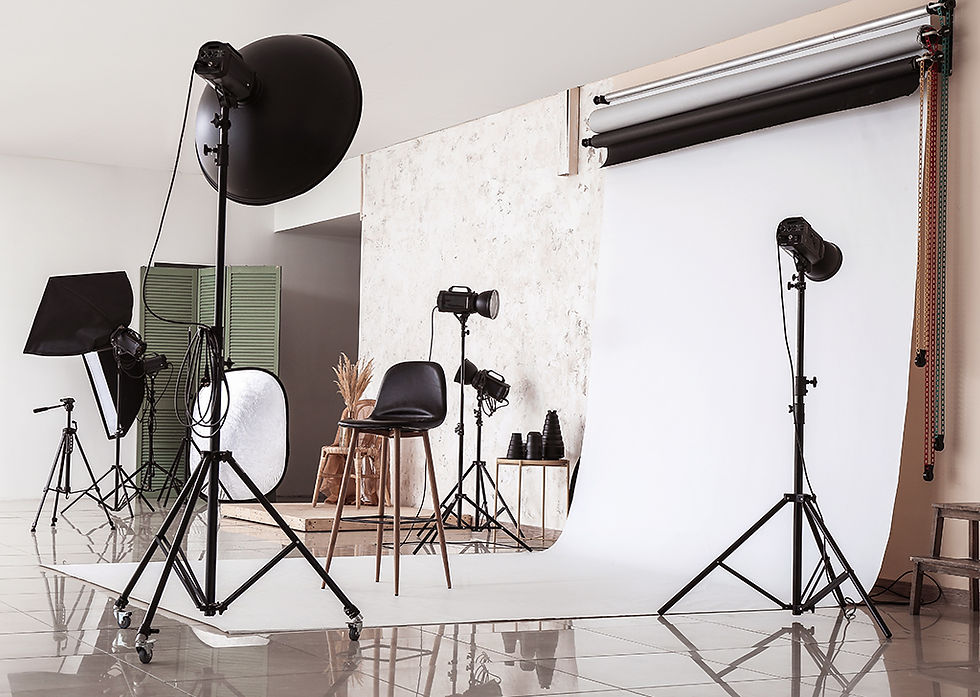
Lighting isn't just about exposure—it's the foundation of your style.
Great lighting elevates a photo from good to unforgettable. While natural light is often praised for its softness and accessibility, it comes with unpredictability. Overcast skies, harsh midday sun, and changing conditions can make consistency a challenge. That’s why learning how to control light—especially in a studio setting—is a game-changer for fashion photography.
Natural Light:
Soft and flattering during golden hour or when diffused through clouds or a scrim.
Requires fast thinking—light conditions change by the minute.
Often best for lifestyle or on-location looks.
Studio Lighting:
Consistency: Recreate your signature look every time, no matter the time of day.
Creative control: Sculpt shadows, add drama, or create a high-key fashion look at will.
Professional polish: Clean, crisp, and controllable lighting impresses clients and editors alike.
Beginner Tip:
Start with a one-light setup—a softbox placed at a 45-degree angle to your subject. Learn how to shape the light, use reflectors or negative fill, and gradually incorporate more complex setups.
“If you want to develop a recognizable style, lighting is your strongest ally.”
3. Direct With Confidence
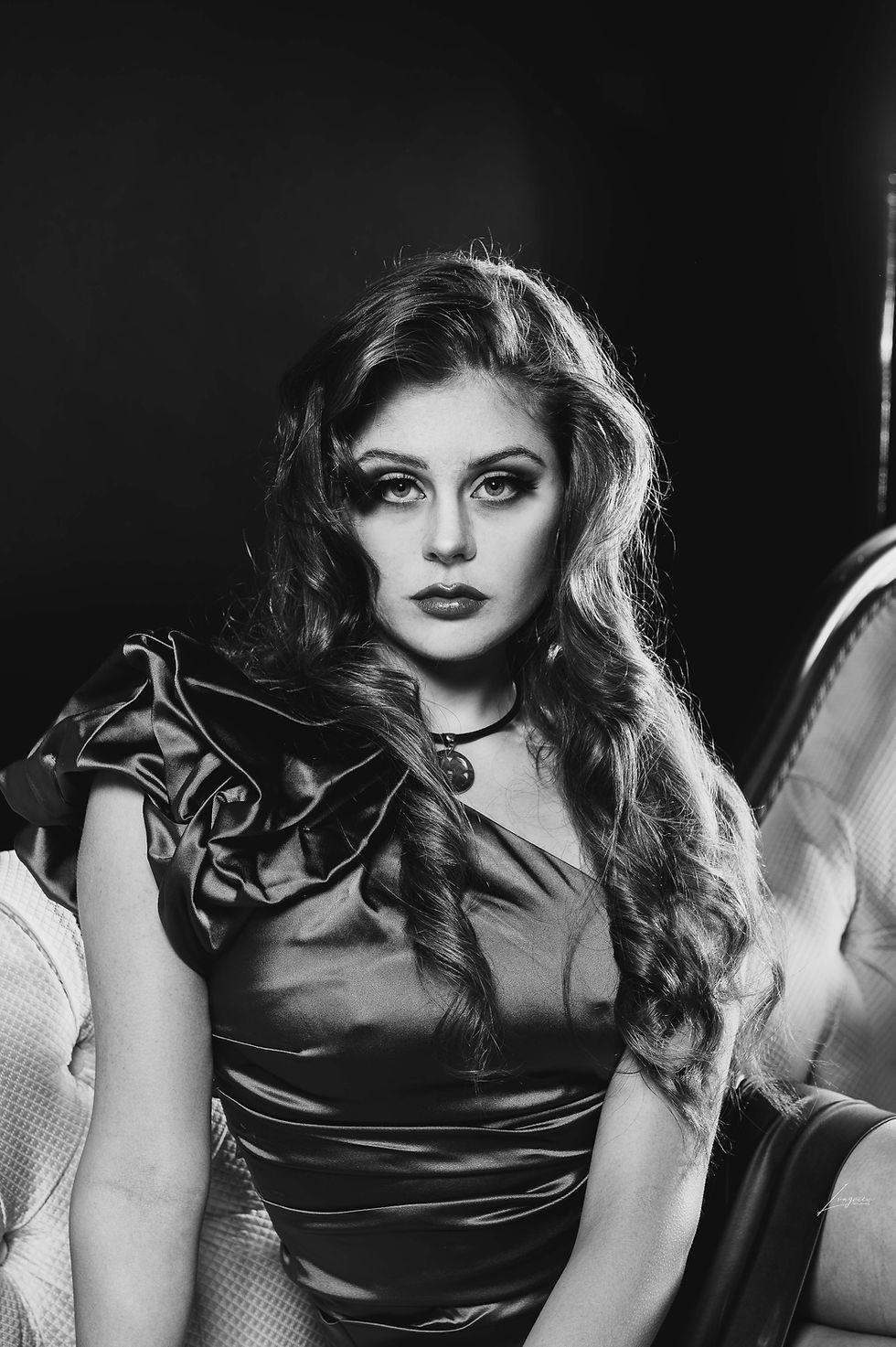
Fashion photography is a collaborative performance—lead it well.
Many photographers hesitate when it comes to directing models, especially when working with professionals. But here’s the secret: even the best models appreciate feedback. They want to know what’s working, what needs adjusting, and most importantly, that you’re engaged in the creative process.
Great direction leads to better connection, better movement, and better results.
Ways to Direct:
Be specific: “Tilt your chin slightly down,” works better than “Move your head.”
Give feedback: Positive reinforcement builds trust. “That last pose was perfect, let’s do a variation of that.”
Use physical cues: If you’re stuck, demonstrate the pose or movement. Modeling the motion breaks the ice and gets results faster.
Guide the vibe: Music, mood boards, and tone of voice set the pace and energy of the shoot.
Bonus: Build rapport before shooting. A five-minute chat about the concept, outfit, or mood you’re going for goes a long way.
“Strong direction isn’t about control—it’s about collaboration and clear communication.”
Bonus Tip: Review as You Shoot
This one’s quick but essential: Don’t wait until you’re home to check your shots.
Use your camera’s screen to:
Check your lighting setup
Review posing and angles
Ensure clothing looks the way the stylist intended
Tethering to a laptop or tablet, when possible, gives you a bigger picture—literally—and makes it easier to make real-time adjustments. You’ll walk away with fewer surprises and more keepers.
Final Thoughts
Fashion photography is about more than just pretty clothes and good models. It’s a craft that rewards those who pay attention to the little things—lens choice, lighting control, and how you lead your subject.
By focusing on these three fundamentals, you’ll:
✅ Improve your image quality
✅ Increase your confidence on set
✅ Build a recognizable style that clients and audiences will love
Save this guide for your next shoot. Better yet, tag a photographer who needs to hear this today!
Want more tips like this? Let me know what part of fashion photography you're working on right now—posing, editing, creative direction—and I’ll cover it in a future post!


Comments